
Hope in Action: The Process of Recovery
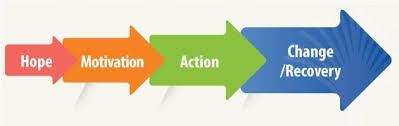
Behavior Health / Addiction is a topic that affects millions of individuals, families, and communities across the world. While many people think addiction is only related to substances, the reality is much broader. Behavioral health includes mental wellness, emotional stability, and the habits or patterns that shape daily life. When addiction becomes part of that picture, professional support, structured treatment, and long-term care often become essential for recovery and stability.
What Does Behavior Health / Addiction Mean?
Behavioral health focuses on how emotions, behaviors, and mental health influence overall well-being. It includes conditions such as anxiety, depression, trauma, stress disorders, and unhealthy behavioral patterns. Addiction, on the other hand, refers to dependence on substances or compulsive behaviors that negatively affect health, relationships, finances, and quality of life.
When these two areas overlap, treatment becomes more important because addiction is often connected to deeper emotional or psychological challenges. Many people struggling with addiction may also experience stress, depression, trauma, or unresolved life issues.
Common Types of Addiction
Addiction can appear in different forms, and every case is unique. Some of the most common include:
- Alcohol dependency
- Prescription medication misuse
- Drug addiction
- Gambling addiction
- Internet or gaming addiction
- Shopping or spending addiction
- Food-related compulsive behaviors
While some addictions are substance-based, others involve repeated behaviors that create emotional dependence.
Why Behavioral Health Matters in Recovery
Recovery is not only about stopping harmful behavior. It is also about understanding why the pattern started in the first place. Many individuals turn to substances or compulsive habits as a coping mechanism for pain, stress, loneliness, trauma, or mental health struggles.
This is why behavioral health treatment plays a critical role in long-term recovery. Addressing emotional triggers and mental wellness can reduce relapse risks and create healthier coping strategies.
Signs Someone May Need Help
Recognizing the signs early can make a major difference. Common warning signs may include:
- Loss of control over behavior or substance use
- Mood swings or irritability
- Isolation from family or friends
- Declining work or school performance
- Financial problems related to the addiction
- Anxiety, depression, or emotional instability
- Failed attempts to stop alone
Seeking support early often leads to better treatment outcomes.
Treatment Options for Behavior Health / Addiction
Modern treatment approaches focus on the whole person instead of only the addiction itself. Depending on the situation, care may include:
Counseling and Therapy
Licensed therapists help individuals understand patterns, triggers, trauma, and emotional struggles connected to addiction.
Inpatient or Residential Programs
Structured environments provide intensive support for those needing round-the-clock care.
Outpatient Treatment
Allows individuals to receive therapy and treatment while continuing work or family responsibilities.
Group Support Programs
Peer support can reduce isolation and build motivation through shared experiences.
Medication-Assisted Treatment
In some cases, supervised medication may help reduce cravings or manage withdrawal symptoms.
The Importance of Family Support
Addiction rarely impacts only one person. Families often carry emotional stress, confusion, and financial strain as well. Family involvement in recovery can improve communication, rebuild trust, and create a stronger support system.
Healthy boundaries, education, and counseling can also help loved ones heal alongside the individual in treatment.
Long-Term Recovery and Wellness
Recovery is an ongoing journey, not a one-time event. Long-term success often includes:
- Continued therapy or counseling
- Healthy daily routines
- Stress management practices
- Exercise and proper nutrition
- Support groups or mentorship
- Positive relationships
- Accountability systems
Small consistent progress often creates lasting change over time.
Breaking the Stigma
Many people delay treatment because of shame or fear of judgment. Addiction should be viewed as a health challenge that requires support, treatment, and compassion—not punishment. When stigma is reduced, more people feel safe asking for help.
Communities, workplaces, and families all benefit when mental health and addiction treatment are normalized.
Final Thoughts
Behavior Health / Addiction is a complex but treatable challenge that touches emotional health, mental wellness, and daily behavior. With the right support system, professional treatment, and commitment to recovery, people can rebuild their lives and move toward long-term stability.
Healing is possible, and seeking help is often the first and most powerful step toward a healthier future.
