
Lucky Draw: Understanding the Popular Game of Chance in the Entertainment and Gaming Industry
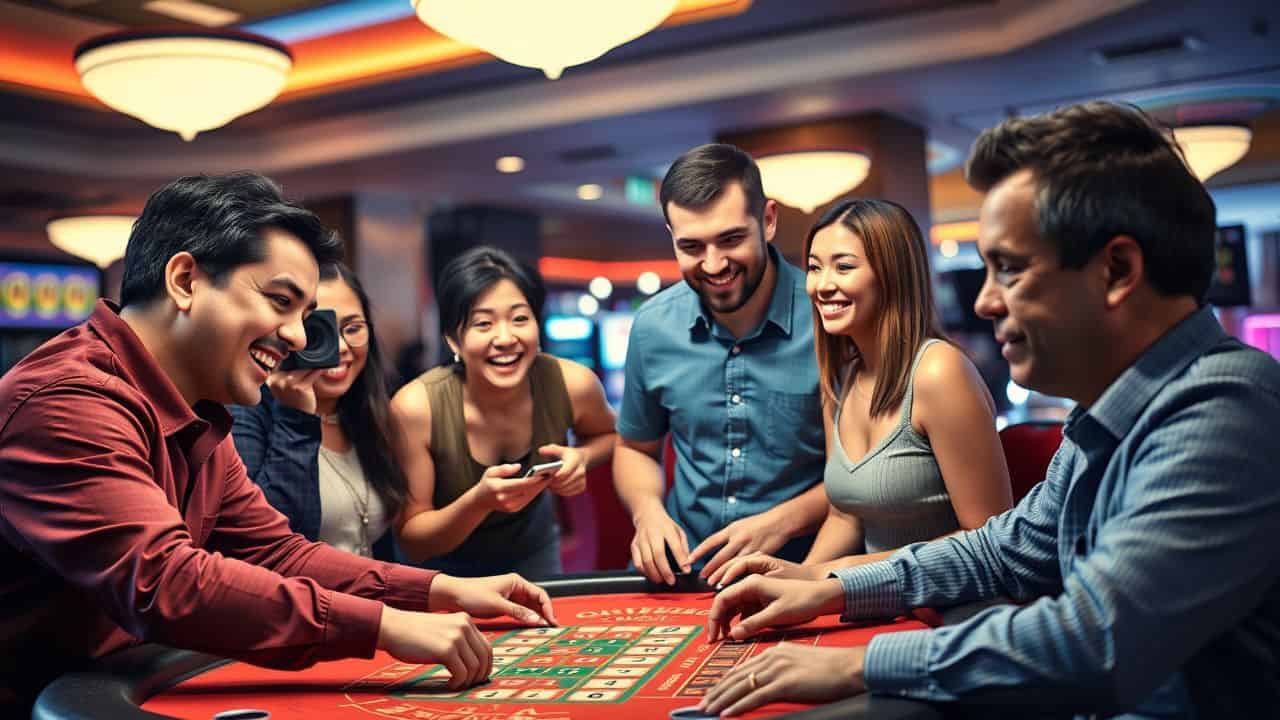
The term lucky draw has become widely recognized across entertainment, promotional events, and adult gaming platforms. lucky draw Whether it appears in marketing campaigns, prize giveaways, or casino-style environments, the concept of a lucky draw is built around a simple yet timeless idea: participants receive a chance to win a reward through a randomized selection system. Over the years, this method of awarding prizes has evolved from traditional paper-based draws to sophisticated digital formats used in many industries today. While lucky draws are commonly associated with adult gaming spaces in the modern era, the underlying mechanics remain universally interesting from a design and probability perspective.
In this article, we explore what a lucky draw is, how it operates, why it remains so popular, and the factors contributing to its appeal. This discussion focuses purely on the concept, structure, and cultural relevance of lucky draws without encouraging participation in age-restricted activities.
What Is a Lucky Draw?
A lucky draw is a prize selection system in which winners are chosen at random. The key characteristic that defines it is its reliance on chance rather than skill. Participants typically receive an entry — for example, a ticket or digital token — and each entry is placed into a pool from which winners are randomly selected.
This method is used in a wide range of contexts:
- Promotional giveaways by brands
- Community fundraising events
- Festivals and public celebrations
- Corporate incentives
- Adult entertainment and gaming establishments
While the structure is consistent, the rewards, entry requirements, and level of automation can vary significantly depending on the setting.
The Appeal of Lucky Draw Systems
The popularity of lucky draws can be traced to several psychological and social factors.
One of the strongest is anticipation. People enjoy the suspense of waiting to see whether their entry will be selected. The simplicity of the format also contributes to its appeal. Because lucky draws do not rely on complex rules or strategies, they are accessible to almost anyone in contexts where they are permitted.
Another factor is the element of surprise. Unlike competitions that require skill or knowledge, lucky draws offer an equal chance of winning regardless of background or experience. This perceived fairness often makes them an attractive addition to events, celebrations, and entertainment platforms.
Finally, lucky draws bring a social component. Whether conducted offline at a community event or digitally through online systems, these draws often create collective excitement. The announcement of winners fosters a sense of shared experience, even for those who do not win.
How Lucky Draws Work: A Look at the Mechanics
Understanding the mechanics behind a lucky draw offers insight into why it is considered a reliable and fair system when properly administered. At its core, the process involves the following basic steps:
1. Entry Collection
Participants receive an entry into the draw. This can be:
- A physical ticket
- A virtual token
- A serial number
- An automatically assigned ID through a digital system
In many promotional contexts, entries are distributed when individuals sign up for a service, participate in an event, or meet specific criteria.
2. Pool Creation
After collecting all entries, officials combine them into a single pool. Ensuring that each entry has the same chance of selection is the most important part of this step. In digital systems, algorithms are used to maintain fairness and prevent duplication.
3. Random Selection
A draw can be conducted manually (such as picking a ticket from a container) or digitally through a random-number generator (RNG). RNGs are commonly used in sophisticated entertainment platforms because they provide consistency and are less susceptible to human error.
4. Prize Distribution
Once the winning entries are selected, organizers announce and distribute prizes. These can range from small giveaways to major rewards depending on the event.
Lucky Draws in the Modern Digital Era
With the rise of technology, lucky draws have transitioned from traditional paper systems to advanced digital platforms. Online registration, automated ticketing, and computer-generated randomization have made the process faster, more accurate, and more secure.
Digital lucky draws offer several advantages:
- Transparency: Algorithms reduce the possibility of bias.
- Scalability: Companies can involve thousands of participants simultaneously.
- Convenience: Winners can be notified instantly through email or SMS.
- Security: Digital logs help prevent fraudulent entries.
Because of these benefits, many industries — including corporate brands, retail companies, and adult gaming platforms — rely on digital lucky draws for large-scale events and promotions.
Why Lucky Draws Remain Culturally Significant
The concept of chance has fascinated humans for centuries. From ancient festivals to modern entertainment systems, people have always been intrigued by the idea of leaving outcomes to luck. Lucky draws continue to thrive because they capture this curiosity while offering a structured, transparent, and entertaining method of prize distribution.
Additionally, lucky draws align with the universal desire for opportunity. Even when participants know the likelihood of winning is small, the possibility itself is enough to generate interest. This balance between uncertainty and hope keeps lucky draws relevant across cultures and generations.
Fairness and Ethical Considerations
For any lucky draw system to be trusted, fairness must be prioritized. Organizers must ensure:
- Equal chances for all entries
- Transparent rules and eligibility criteria
- Proper handling of personal data
- Accurate and verifiable winner selection
- Compliance with local laws and age restrictions
Digital platforms also require secure algorithms to prevent manipulation. RNGs must be tested and certified, and organizers should maintain clear audit trails. These practices build credibility and protect participants.
Conclusion
The lucky draw remains a popular, culturally significant, and widely used system for awarding prizes in both public and commercial contexts. Its simplicity, fairness, and element of anticipation have allowed it to endure for generations. While lucky draws are often featured in adult gaming environments, they also appear in promotional events, charity functions, community gatherings, and corporate programs — illustrating their versatility and timeless appeal.
Understanding how lucky draws work from a structural and probability-based perspective gives us insight into why they continue to captivate audiences. Whether experienced through traditional ticket systems or modern digital platforms, the lucky draw remains one of the most iconic examples of a game of chance.