
Healthy Weight Loss Habits That Support Long-Term Body Confidence
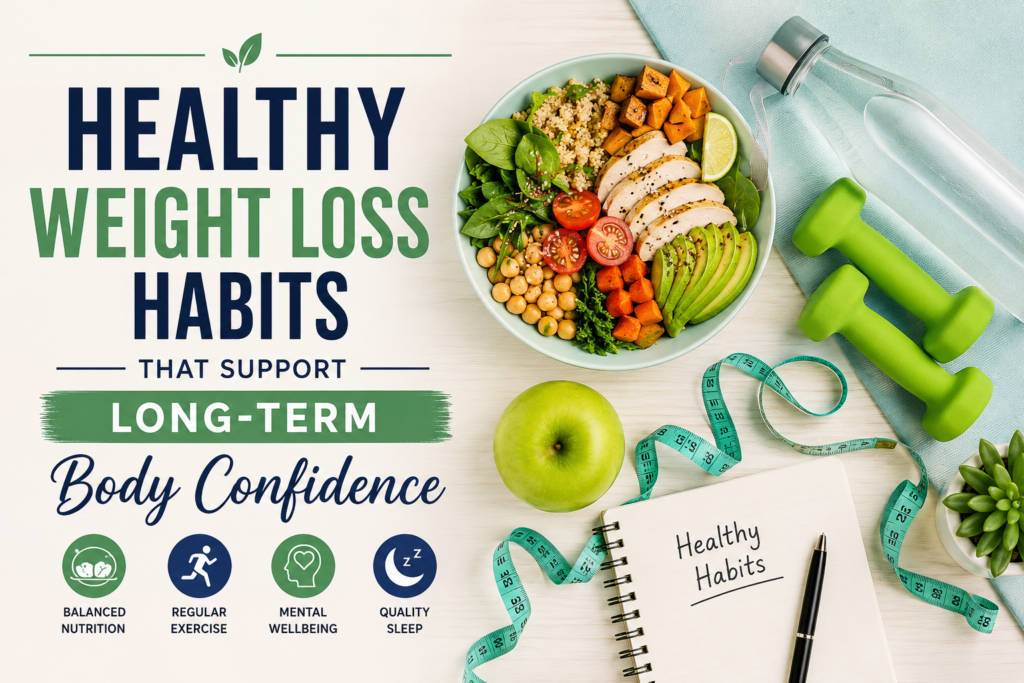
Every weight loss journey is unique. Some people want to improve their health, while others hope to feel more energetic or regain confidence after pregnancy, aging, or significant weight changes. Whatever your reason, the most successful transformations are rarely built on crash diets or unrealistic fitness routines. Instead, they are achieved through healthy weight loss habits that become part of everyday life.
Long-term success is about creating a healthy lifestyle that supports both your physical and mental wellbeing. Rather than chasing rapid results, focus on small, consistent improvements that you can maintain for years. These sustainable habits not only help you maintain a healthy weight but also encourage body confidence, improved energy levels, and better overall health.
Why Sustainable Weight Loss Matters
Many people lose weight quickly only to regain it within months. Restrictive diets often leave you feeling deprived, making it difficult to stick with healthy choices over time.
A better approach is sustainable weight loss, where gradual progress becomes your goal. Losing weight steadily allows your body to adapt while reducing the likelihood of regaining lost weight. More importantly, it helps you develop healthy eating habits that continue long after you’ve reached your target.
Build a Balanced Diet Instead of Following Fad Diets
One of the foundations of successful weight management is eating a balanced diet. Your body requires carbohydrates, protein, healthy fats, vitamins, and minerals to function properly.
Include foods such as:
- Fresh fruits and vegetables
- Lean chicken and turkey
- Fish rich in omega-3 fatty acids
- Eggs
- Wholemeal bread
- Brown rice
- Oats
- Beans and lentils
- Greek yoghurt
- Nuts and seeds
Making healthy food choices consistently is far more effective than eliminating entire food groups.
Prioritise Protein with Every Meal
Protein is one of the most important nutrients during healthy weight loss. It helps preserve muscle mass, keeps you feeling fuller for longer, and supports recovery after exercise.
Excellent protein-rich foods include:
- Chicken breast
- Salmon
- Eggs
- Cottage cheese
- Greek yoghurt
- Lentils
- Chickpeas
- Tofu
- Lean beef
Higher protein intake may also help reduce unnecessary snacking throughout the day.
Stay Active Every Day
Exercise should be viewed as an investment in your health rather than punishment for eating.
Aim to include a mixture of:
- Cardio exercise such as brisk walking, cycling, or swimming
- Strength training two to three times each week
- Stretching exercises
- Yoga or Pilates
- Daily walking
Regular daily physical activity improves cardiovascular health, strengthens muscles, supports your metabolism, and increases overall fitness.
Strength Training Helps More Than You Think
Many people focus only on cardio when trying to lose weight. However, strength training is equally important.
Building lean muscle mass helps your body burn more calories throughout the day. It also improves posture, supports healthy ageing, and creates a stronger, more toned appearance.
Simple exercises include:
- Squats
- Lunges
- Push-ups
- Resistance band exercises
- Dumbbell workouts
Even beginners can benefit from two or three sessions each week.
Understand the Importance of a Calorie Deficit
Successful weight loss requires a moderate calorie deficit, meaning you consume slightly fewer calories than your body burns.
The goal is not to starve yourself but to create a healthy balance between nutrition and activity.
Combining a balanced diet with regular exercise is generally the safest and most sustainable approach.
Drink Plenty of Water
Proper hydration supports digestion, regulates body temperature, and may reduce unnecessary snacking caused by confusing thirst with hunger.
Simple ways to stay hydrated include:
- Carry a reusable water bottle
- Drink water before meals
- Replace sugary drinks with water
- Include herbal teas where appropriate
Good hydration also supports healthy skin and overall wellbeing.
Sleep Is a Powerful Weight Loss Tool
Many people underestimate the role sleep plays in weight management.
Poor sleep may increase hunger hormones while reducing hormones responsible for feeling full. This often leads to cravings for sugary or high-calorie foods.
Aim for seven to nine hours of quality sleep every night by:
- Keeping a regular bedtime
- Avoiding screens before sleeping
- Reducing caffeine late in the day
- Creating a relaxing bedtime routine
Better sleep contributes to improved mental wellbeing and healthier eating habits.
Manage Stress Before It Controls Your Eating Habits
Stress can trigger emotional eating and unhealthy food choices.
Healthy stress management techniques include:
- Deep breathing
- Meditation
- Walking outdoors
- Reading
- Journalling
- Spending time with family
- Listening to relaxing music
Taking care of your emotional health is just as important as caring for your physical health.
Practice Mindful Eating
Mindful eating encourages you to slow down and pay attention to your body’s hunger signals.
Helpful strategies include:
- Eating without distractions
- Chewing food slowly
- Recognising when you’re comfortably full
- Enjoying meals rather than rushing through them
These simple habits often reduce overeating naturally.
Create Healthy Daily Routines
Healthy lifestyles are built through repetition.
Useful habits include:
- Preparing meals in advance
- Walking after dinner
- Drinking enough water
- Scheduling workouts
- Choosing nutritious snacks
- Limiting processed foods
A consistent healthy routine becomes easier to maintain over time.
Stop Comparing Yourself with Others
Everyone loses weight differently. Genetics, hormones, age, medical history, and lifestyle all influence results.
Instead of comparing yourself to social media images, focus on improvements such as:
- Increased energy
- Better mobility
- Stronger muscles
- Improved fitness
- Healthier eating habits
- Greater confidence
Every positive step contributes to your personal wellness journey.
Support Your Body Through Every Stage
For some individuals, especially after pregnancy or significant weight loss, loose abdominal skin may remain even after reaching a healthy weight. While maintaining an active lifestyle, eating nutritious meals, and following a balanced fitness plan can improve overall health, additional support may also improve comfort during daily activities.
If you’re looking for practical advice on how to manage an apron belly naturally, ApronBelly.co.uk offers helpful guidance on supportive clothing, daily comfort tips, lifestyle strategies, and body-positive advice for people experiencing loose abdominal skin or changes associated with a post-pregnancy body.
Celebrate Small Victories
Not every success is measured by the number on the scales.
Celebrate achievements such as:
- Completing weekly workouts
- Drinking more water
- Choosing healthier meals
- Walking further than before
- Feeling stronger
- Sleeping better
These improvements build confidence and encourage long-term consistency.
Body Confidence Starts with Self-Care
True body confidence is not about perfection.
It develops when you consistently practise self-care, nourish your body, move regularly, sleep well, and speak kindly to yourself.
Remember that your worth is not determined by your clothing size or body shape. Every healthy decision you make is an investment in your future.
Final Thoughts
Lasting transformation comes from building habits that support lifelong health rather than temporary results. By focusing on healthy weight loss, healthy eating habits, regular strength training, cardio exercise, proper hydration, effective stress management, and a realistic healthy lifestyle, you can achieve sustainable results while improving both your physical and emotional wellbeing.
Progress may be gradual, but consistency always wins. Small daily actions create meaningful long-term change, helping you enjoy better health, increased confidence, and a happier relationship with your body.