
Why Vision Awareness Deserves a Place in Everyday Wellness
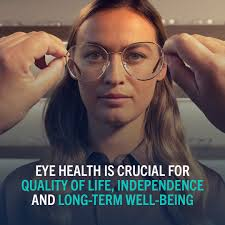
A broader view of personal health
When people think about wellness, they often focus on the habits they can easily measure. Sleep, steps, hydration, food choices, workouts, and stress management all get attention because they fit neatly into daily routines. Vision, however, is often treated differently. Many people depend on their eyesight from the moment they wake up until the moment they go to sleep, yet few include visual awareness in the same category as other everyday health habits.
That gap is understandable. Vision is easy to take for granted when everything feels normal. Unlike a missed workout or a poor night of sleep, small changes in how someone sees may not feel dramatic at first. People adjust. They move a screen closer, take a break, rely on brighter light, or assume that a change is simply part of a busy day. Over time, that can make vision awareness one of the easiest health topics to postpone.
A more balanced wellness mindset makes room for simple observation. Paying attention to vision does not need to be complicated, clinical, or alarmist. It can begin with the same practical attitude people already bring to other areas of self-care: notice patterns, stay consistent, and use convenient tools that support awareness.
Why vision is often overlooked
Many health habits become routine because they are visible and easy to track. People can count their workouts, watch calorie totals, or compare their sleep data across days and weeks. Vision does not always present itself in that way. Gradual changes can blend into everyday life, especially in a world where fatigue, screen exposure, and constant visual stimulation are common.
This is part of the reason vision awareness benefits from low-friction habits. When the process feels simple, people are more likely to engage with it. A short check, a moment of reflection, or a basic tool that encourages people to stay more attentive can fit naturally into a broader health routine without making it feel like a major project.
Digital wellness is now part of normal life
Wellness habits are no longer limited to clinics, gyms, or printed guides. People now use websites, apps, trackers, and online resources to support everyday decisions about their health and routines. This shift has made self-awareness more accessible. It has also changed expectations. People increasingly value tools that are easy to access, easy to understand, and practical enough to use from home.
That same pattern applies to vision-related awareness. Digital tools can help people stay more engaged with how they use and experience their sight in daily life. They can offer a starting point that feels manageable rather than intimidating, especially for people who want a simple way to be more mindful without turning the experience into something overly technical.
A simple example of an accessible online resource
One example of this kind of low-friction resource is VisualFieldTest, an online tool designed around visual field awareness in a simple digital format. For readers interested in general wellness, convenience matters. A resource that can be accessed online may feel more approachable than a process that seems complicated from the start.
That accessibility is part of what makes digital wellness tools useful. They reduce the effort needed to pay attention. When people face fewer barriers, they are more likely to stay engaged with healthy routines. In that sense, a straightforward online resource such as VisualFieldTest can be appealing because it offers an easy entry point. Readers do not need to sort through complex language to begin exploring the topic. A clear and direct format supports curiosity and makes it easier for people to build awareness into their regular routines.
Small habits are often the most sustainable
One of the most useful ideas in wellness is that small habits are often easier to keep than ambitious ones. A person does not need an extreme routine to become more aware of their health. Often, the most effective long-term approach is simply to build repeatable behaviors that fit into normal life.
Vision awareness can work the same way. Someone might set aside a little time now and then to think about whether anything feels different in daily visual experience. They may notice how comfortable reading feels, how easy it is to stay visually focused, or whether anything about everyday seeing feels worth paying more attention to. The goal is not to overreact. The goal is to stay observant.
This is especially relevant in a screen-filled environment. Work, communication, entertainment, navigation, and shopping all compete for visual attention. Because sight is used so constantly, it deserves a place in the broader conversation about sustainable self-care.
Helpful health content does not need dramatic claims
Health content is often strongest when it helps people make practical decisions without exaggeration. Not every useful article needs to promise a transformation. Sometimes the best role of wellness content is to encourage awareness, consistency, and informed curiosity. That is particularly true for topics that people tend to ignore until a concern becomes impossible to dismiss.
Articles about vision can be valuable even when they remain simple and careful. They can remind readers that paying attention to sight is part of taking care of themselves overall. They can introduce accessible resources. They can encourage readers to think more holistically about the habits that support everyday quality of life.
A more complete approach to wellness
Personal wellness is not only about fitness, food, or productivity. It is also about the systems people rely on every single day, including how they move through the world visually. A complete routine does not require obsession. It only requires that important areas of daily functioning are not forgotten.
As digital health habits continue to grow, vision awareness deserves a place beside the other routines people already value. Simple online resources can support that mindset by making the topic more approachable and easier to include. For readers who want to build a broader, more thoughtful wellness routine, paying more attention to vision habits is a practical place to start.