
Why Vision May Seem Worse After Cataract Surgery and What It Really Means
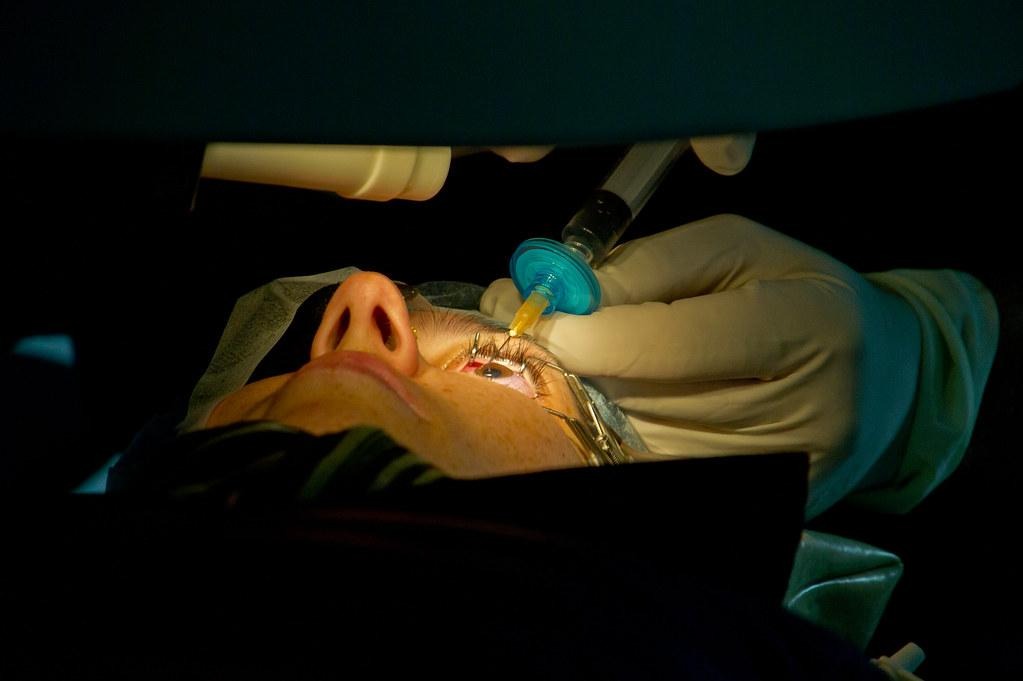
Cataract surgery is designed to restore clarity by replacing a cloudy lens with a clear artificial one. For many people, the improvement is noticeable within days. However, some individuals feel concerned when their vision does not seem immediately better—or even appears worse—after the procedure.
This experience can feel confusing, but in many cases, it is part of the normal healing process. Understanding why vision may fluctuate after surgery can help reduce anxiety and provide a clearer picture of what to expect.
What Happens to the Eye After Surgery
After cataract surgery, the eye begins to heal and adjust to the new lens. Although the procedure itself is precise, the surrounding tissues may experience mild swelling. This can temporarily affect how light is focused inside the eye.
Vision may appear brighter but not yet sharp. Some individuals notice fluctuations in clarity, especially during the first few days. These changes are often temporary and improve as healing progresses.
The brain also needs time to adapt to new visual input, which can influence how vision feels.
Why Vision Can Feel Worse at First
There are several reasons why vision might seem worse after cataract surgery. Swelling inside the eye can slightly distort vision during the early stages. Dryness on the surface of the eye may also cause temporary blurriness.
In addition, the brain is adjusting to clearer images after becoming used to cloudy vision. This sudden change can feel unfamiliar, leading to a perception that vision has worsened.
For a more detailed explanation of these experiences, this guide on vision worse after explores how temporary changes can occur during recovery.
The Role of Inflammation and Healing
Inflammation is a natural response after surgery. While it is usually mild, it can affect clarity until the eye settles. Prescribed eye drops help reduce this inflammation and support recovery.
As the eye heals, vision typically becomes clearer and more stable. Following medical advice closely helps ensure that this process continues smoothly.
Patience during this phase is essential, as improvements often happen gradually.
When Adjustment Takes Longer
Not all recovery experiences are the same. Some individuals may take longer to adjust to their new lens, especially if they had significant vision impairment before surgery. The type of intraocular lens used can also influence how quickly vision stabilizes.
During this period, vision may fluctuate before reaching a consistent level. This does not necessarily indicate a problem but rather a slower adaptation process.
Regular follow-up appointments help monitor progress and provide reassurance.
Other Possible Causes of Blurred Vision
While temporary changes are common, other factors can contribute to blurred vision after surgery. Dry eye is one of the most frequent causes and can affect how clearly light enters the eye. This condition can usually be managed with appropriate treatment.
Another possibility is posterior capsule opacification, where the membrane behind the artificial lens becomes cloudy over time. This can be treated with a simple laser procedure if needed.
Identifying the cause helps guide the right solution.
Knowing When to Seek Medical Advice
It is important to recognize when symptoms go beyond normal recovery. Mild blurriness and sensitivity are expected, but severe pain, sudden vision loss, or increasing redness should be evaluated promptly.
Open communication with an eye care provider ensures that any concerns are addressed quickly. Early attention helps prevent complications and supports better outcomes.
Being informed helps patients feel more confident during recovery.
The Importance of Vision Awareness
Understanding how vision changes over time is an important part of overall well-being. Awareness of symptoms allows individuals to take action when needed and maintain better eye health.
This resource on vision awareness in daily life highlights how staying attentive to changes can support long-term visual comfort.
Regular eye exams remain essential even after successful surgery.
Advances in Eye Care and Monitoring
Technology continues to improve how eye conditions are monitored and treated. New tools are being developed to detect changes earlier and provide more precise care. These advances contribute to better outcomes for patients.
For example, innovations such as smart monitoring devices are helping researchers explore new ways to track eye health. This article from Medical Xpress discusses how emerging technology is shaping the future of eye care.
Staying informed about these developments can help individuals understand their options.
Long-Term Vision After Recovery
As the eye heals and adapts, vision typically becomes clearer and more stable. Many people find that their eyesight improves significantly compared to before surgery. Colors appear more vivid, and details become easier to see.
Maintaining these results involves regular checkups and healthy habits. Protecting the eyes from excessive sunlight and reducing strain from screens can support long-term comfort.
Ongoing care helps preserve the benefits of cataract surgery.
Conclusion
Experiencing changes in vision after cataract surgery can feel concerning, especially when clarity does not improve immediately. In most cases, these changes are temporary and part of the natural healing process.
With time, proper care, and regular follow-up, vision usually becomes clearer and more consistent. Understanding the reasons behind these temporary effects helps patients approach recovery with confidence and reassurance.